Approaching Arab Cultures Through Song: An Exploration of the Experiences of Older Western Women and Their Facilitator in the Learning of Arabic Choral Singing
Arabic choral music remains one of the least familiar genres within Western choral traditions. Owing to the complexity of the language, as well as its distinctive musical and rhythmic elements, the prospect of selecting and rehearsing this repertoire may be daunting for some choral educators, conductors, and singers. Nevertheless, the study and performance of music from a particular culture—such as the cultures represented in Arabic choral repertoire—may have a positive impact on both choristers and newcomers, including Arab immigrants and refugees. Indeed, engagement with diverse choral traditions can serve as a means of fostering closer connections with the ethnic and racial communities present within our societies. Furthermore, the inclusion of music from a given culture may help individuals who closely identify with that musical heritage to feel acknowledged, validated, and welcomed.
As immigration and refugee trends among Arab populations have steadily increased since 2006, with the majority of newcomers settling in Ontario and Quebec, choral singing may provide a practical context for fostering intercultural understanding that extends to Arab newcomer communities in Canada and for helping them feel welcomed. The importance of this research is further underscored by the anticipated growth of Canada’s older adult population, which is projected to increase by 68% over the next twenty years, as well as by a growing body of evidence documenting the wide-ranging benefits that older adults derive from singing and making music together. This narrative inquiry will explore how learning and performing Arabic music may influence attitudes toward Arab cultures among older Western women participating in choral singing, as well as among their choral educator and conductor.
By facilitating the learning of Arabic choral music by a choir of older Francophone women within a Western choral context—including its language, historical background, and sociocultural dimensions—this narrative inquiry seeks to:
1) Explore how learning and performing Arabic music may influence attitudes toward Arab culture among Western choristers and their facilitator; 2) Examine the experiences of older adult choristers who learn and perform Arabic music within a Western choral setting and identify the ways in which their learning and participation may shape their understanding of Arabic music and culture; 3) Investigate the experiences of the facilitator/conductor in teaching and directing Arabic choral music within a Western choral context involving older adult singers.
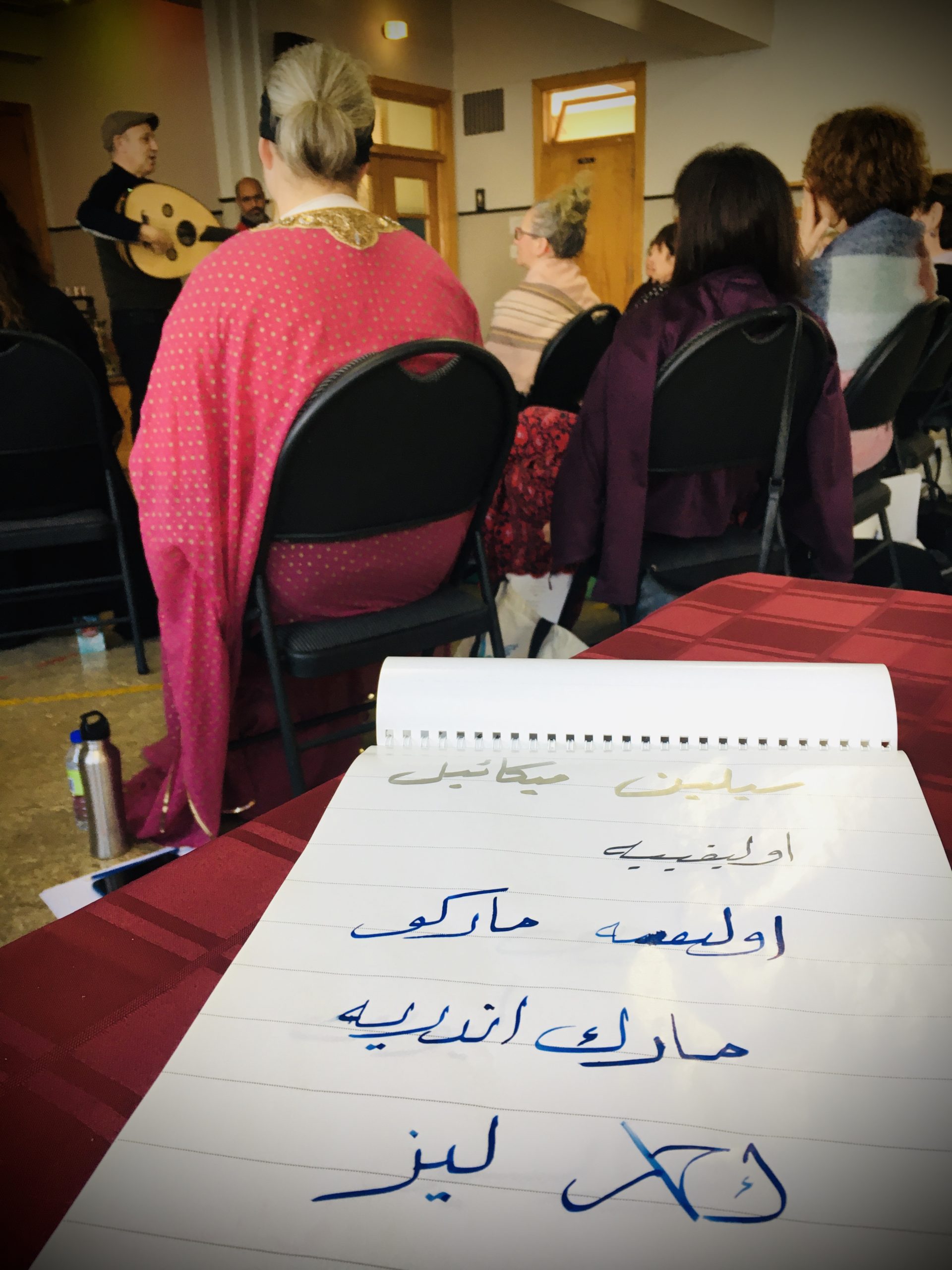
The study will be guided by the Music Education as Global Education (MEGE) framework, in combination with the Empowering Song approach and World Music Pedagogy. Participants will attend a weekend-long Arabic music retreat during which choral educators specializing in Arabic music will serve as cultural bearers while the choir learns songs from North Africa and the Levant. Following the retreat, participants will engage in a 12-week study period during which rehearsals of Arabic choral repertoire will continue. The choir will subsequently perform the learned pieces in an end-of-semester concert. Upon completion of the study, participants will be invited to take part in 90-minute semi-structured narrative interviews.